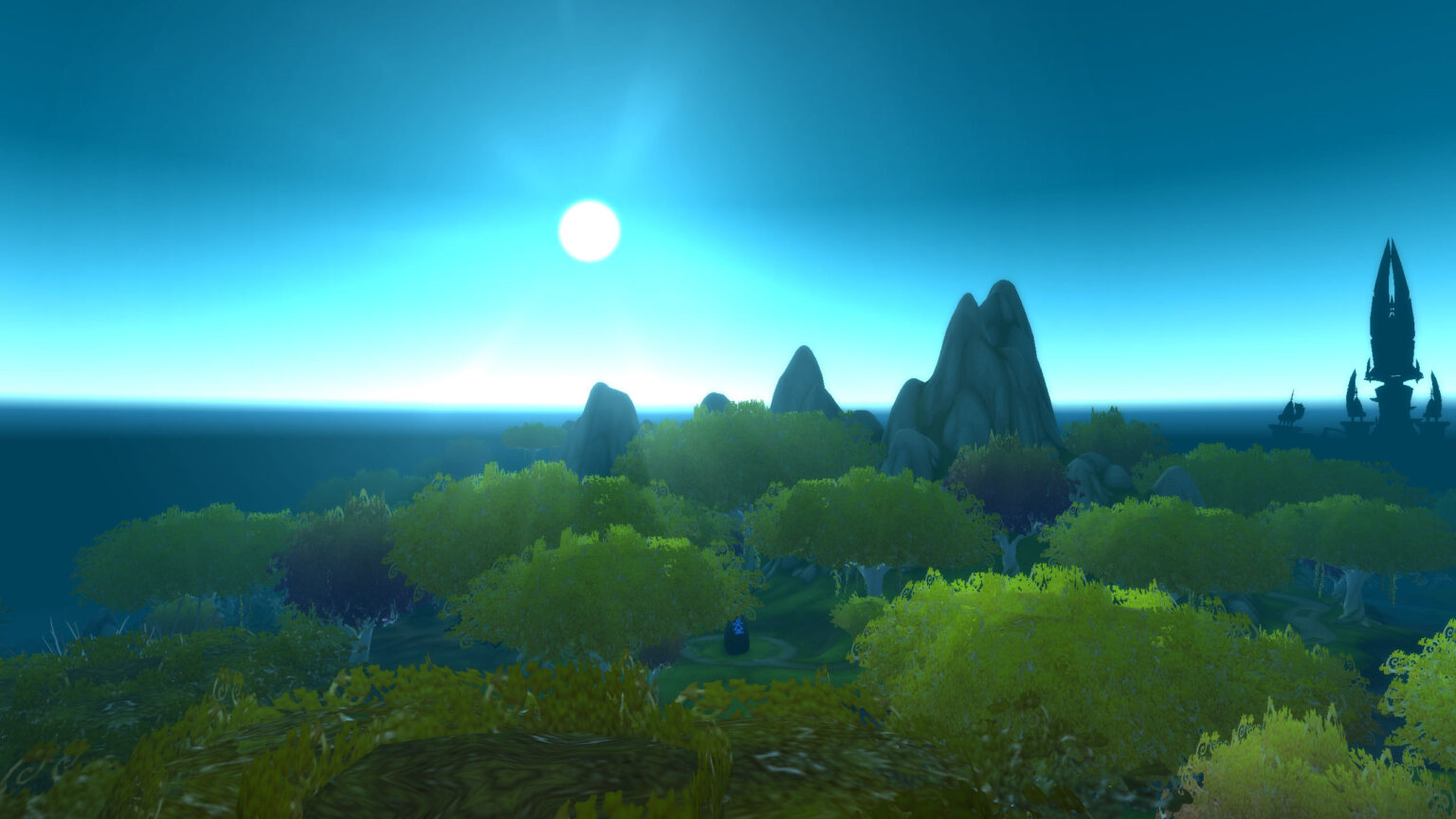
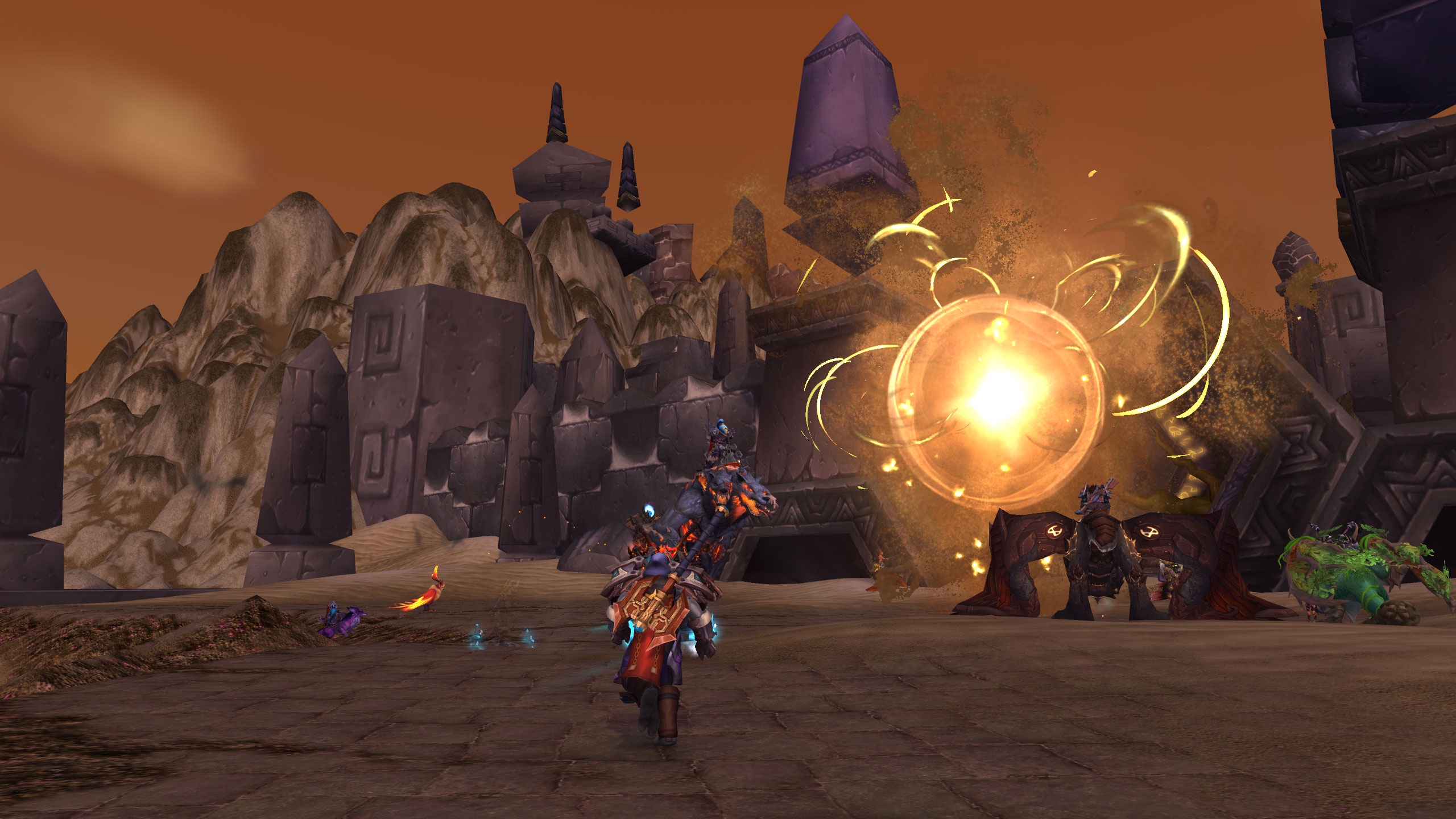

In *World of Warcraft*, factions play a central role in the game’s story and gameplay. They represent the different ideologies, alliances, and conflicts that shape Azeroth’s rich history. Whether you’re a member of the noble Alliance or the brutal Horde, each faction has its own unique lore, politics, and internal struggles. In this article, we’ll dive into some of the most iconic factions in WoW and explore how they’ve influenced the world of Azeroth.
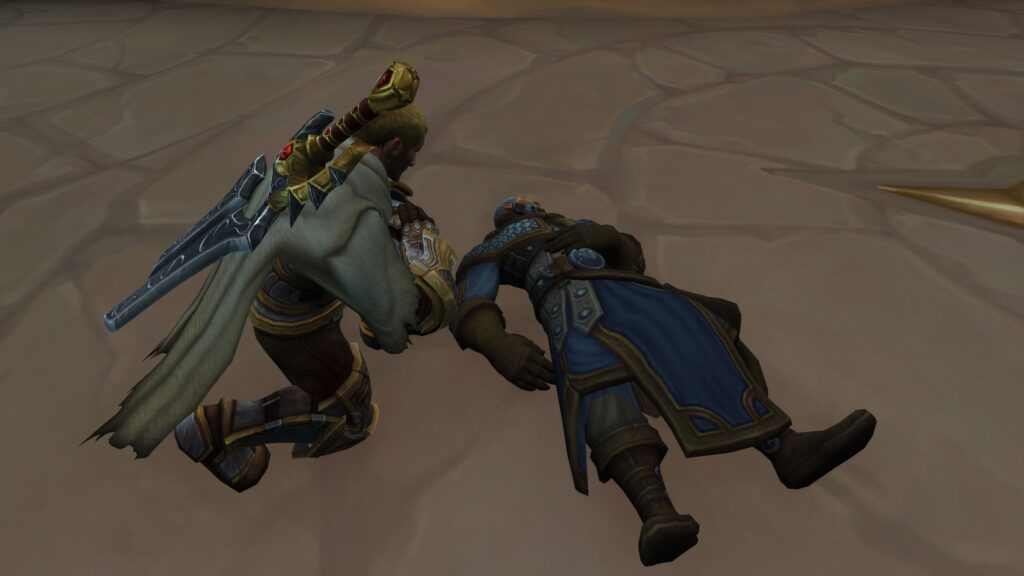
The Alliance: Nobility and Honor
The Alliance is a faction built on a foundation of order, honor, and diplomacy. It consists of several races, including Humans, Dwarves, Night Elves, Gnomes, Worgen, and Draenei. United by the common goal of protecting Azeroth from external and internal threats, the Alliance emphasizes the importance of justice and morality.
The politics of the Alliance often center around maintaining unity despite its diversity. Leaders like King Anduin Wrynn of Stormwind and the powerful High King Varian Wrynn have guided the faction through numerous crises. While the Alliance may seem united, there are frequent tensions between its member races, each with its own unique goals and beliefs.
The Horde: Strength Through Struggle
The Horde, on the other hand, is a faction built on survival and strength, forged from the ashes of war. Initially united under the banner of the Orcs, the Horde now includes several races, such as Orcs, Trolls, Tauren, Undead (Forsaken), Blood Elves, and Goblins. Despite its violent and tumultuous origins, the Horde is a diverse faction that values loyalty, honor, and self-determination.
At the heart of the Horde’s politics lies the leadership of its Warchief, who is tasked with guiding the faction through both internal and external challenges. The Horde’s leaders—such as Thrall, Vol’jin, Sylvanas Windrunner, and Baine Bloodhoof—have been symbols of strength, but also of deep internal conflict. The political intrigue within the Horde often revolves around balancing the needs of the different races, especially when ideologies clash.
The Scourge: Death and Despair
The Scourge is one of the most fearsome and tragic factions in Azeroth. Led by the Lich King, the Scourge is an army of undead creatures that spread across the world, destroying all in their path. Originally created by the Titans as a force to contain the Burning Legion, the Lich King eventually seized control and began using the Scourge for his own ends.

As a faction, the Scourge represents the forces of death and corruption. The Lich King, once a mortal man named Arthas Menethil, became a symbol of tragic loss, driven by the need to control the world through fear. While the Scourge is primarily an antagonist faction, it plays a crucial role in WoW’s lore, particularly in the *Wrath of the Lich King* expansion, where players face off against this overwhelming threat.
The Night Elves: Guardians of Nature
The Night Elves are one of Azeroth’s oldest and most enigmatic factions, steeped in mysticism and the protection of nature. Residing in the lush forests of Kalimdor, the Night Elves are deeply connected to the Emerald Dream and worship the goddess Elune. With their long lifespan, the Night Elves have been guardians of Azeroth’s natural order for millennia.
Politically, the Night Elves are led by their Queen, Tyrande Whisperwind, and their leader, Malfurion Stormrage. However, their internal conflicts often revolve around the balance between preserving their ancient ways and adapting to the changing world around them. The Night Elves’ role in the war between the Burning Legion and the rest of Azeroth has solidified them as a critical faction in WoW’s ongoing struggle against evil forces.
The Burning Legion: The Army of Destruction
The Burning Legion is one of the most powerful and malevolent factions in Azeroth’s history. Led by the dark Titan, Sargeras, the Legion’s goal is to destroy or corrupt all worlds in the universe. The Legion has invaded Azeroth numerous times, often clashing with both the Horde and the Alliance. Its members include demons, corrupted mortals, and various twisted creatures from the far reaches of the Twisting Nether.

Politically, the Burning Legion is ruthless and focused solely on conquest. Their structure is hierarchical, with demons such as Kil’jaeden and Archimonde serving as commanders of the Legion’s forces. Throughout WoW’s expansions, the Burning Legion has remained a symbol of destruction and chaos, and their defeat marks some of the game’s most epic moments, including the *Burning Crusade* and *Legion* expansions.
Conclusion
World of Warcraft’s iconic factions are more than just groups of characters vying for control of Azeroth—they represent deep lore, complex politics, and enduring conflicts that shape the game’s story. Whether you align with the noble ideals of the Alliance, the strength of the Horde, or the corrupting influence of the Scourge or Burning Legion, each faction brings its own rich history and ideology to the world of Azeroth. Understanding these factions helps players appreciate the dynamic storytelling and intricate world-building that make *World of Warcraft* a truly immersive experience.
Home
Leave a Reply