
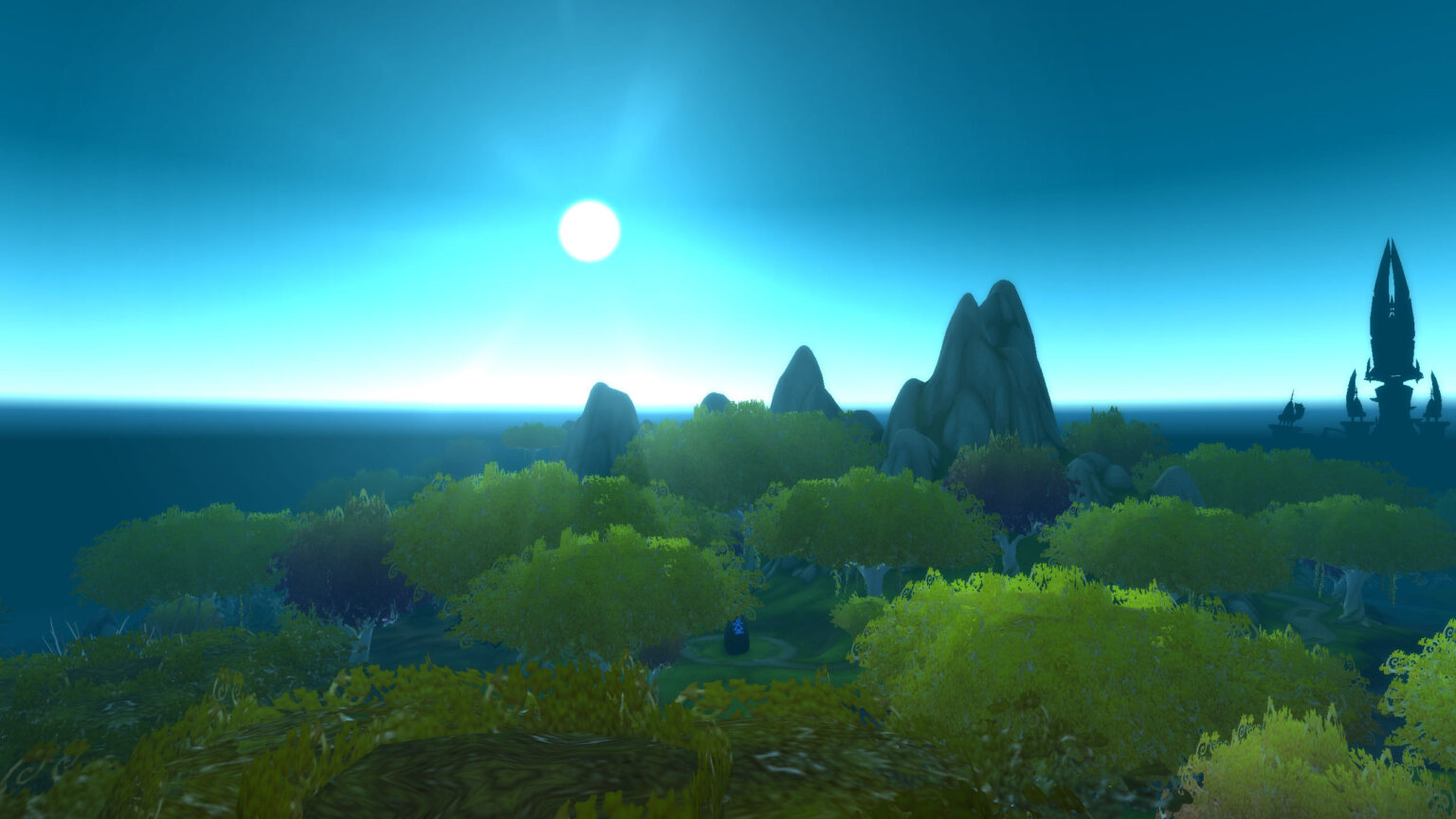
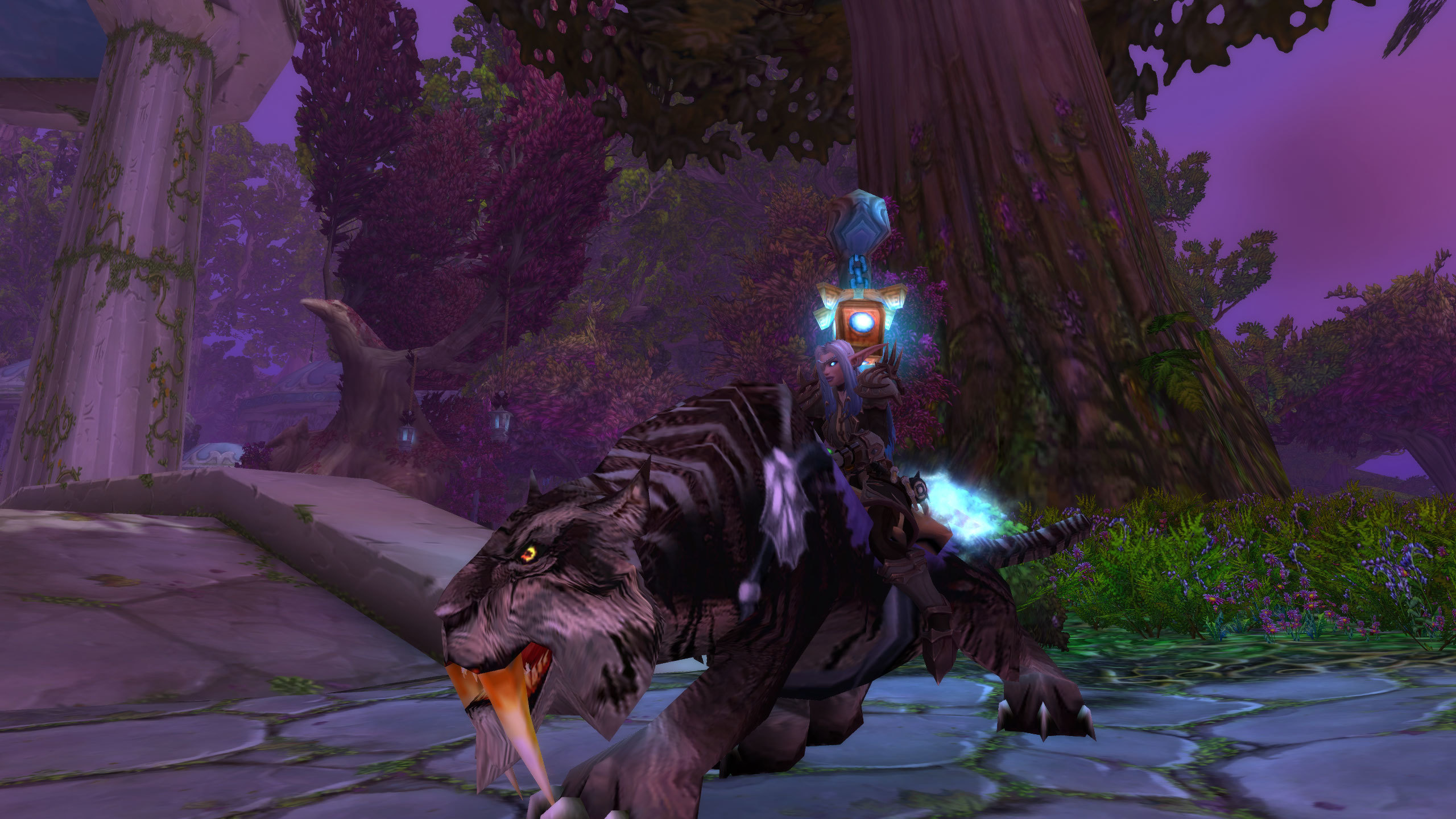

Few features in World of Warcraft have shaped player experience as profoundly as flying mounts. Introduced in The Burning Crusade, flight redefined exploration, efficiency, and freedom across Azeroth. It gave players a god’s-eye view of the world—but also changed how they interacted with it. For better and worse, flying became both a symbol of progress and a quiet divider in how players approached the game.
This article explores how flying transformed WoW’s identity—from a grounded adventure to a high-altitude paradox that still defines design debates today.
The Birth of Flight
When The Burning Crusade launched in 2007, flying was revolutionary. For the first time, players could soar above the shattered skies of Outland, bypassing terrain and danger to reach objectives with newfound speed. It was more than transportation—it was liberation. Flight turned every peak and floating island into accessible terrain, inviting exploration without limits.
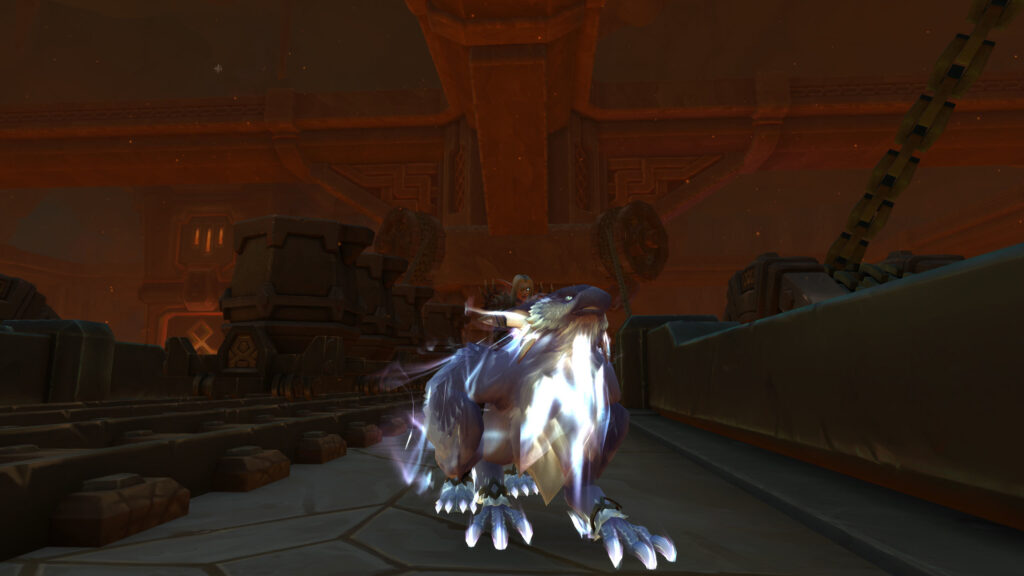
But with freedom came unintended consequences: immersion changed forever.
The Freedom of Exploration
Flying empowered players to see the artistry of Blizzard’s world design from above. Vast landscapes like Nagrand and Shadowmoon Valley became breathtaking panoramas. Collectors hunted for treasures, rare spawns, and hidden questlines with efficiency never before possible. For casual players, it was an equalizer—no longer blocked by terrain, danger, or elite mobs, they could experience everything at their own pace.
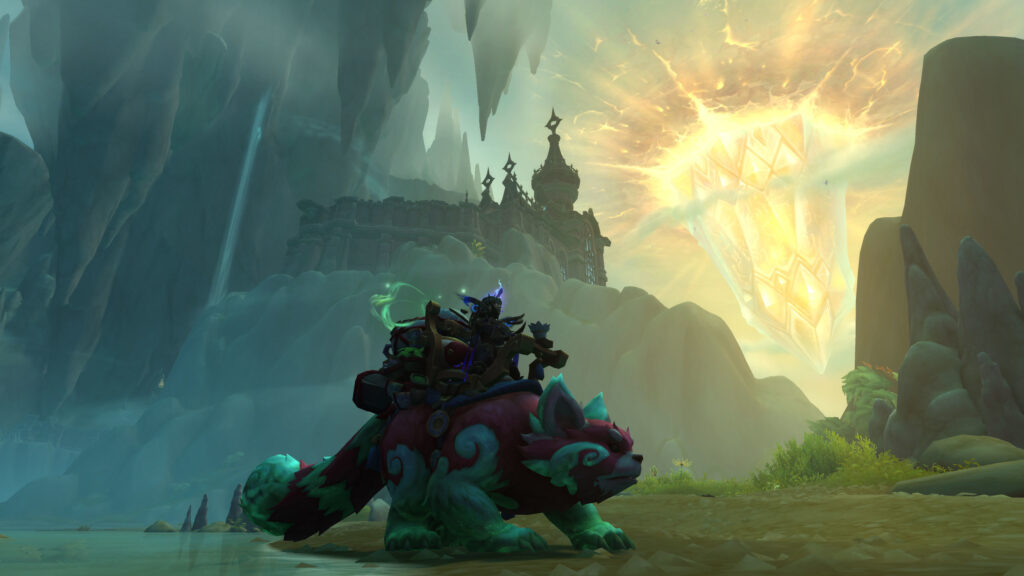
Flight turned exploration into serenity—a rare gift in a world built on conflict.
The Cost of Convenience
While flying enhanced exploration, it quietly diminished world interaction. Ground travel once forced encounters—with other players, random events, and danger. With flight, the world became something to skip over rather than live within. PvP in open zones declined, and the sense of shared adventure waned as players traveled silently above one another, disconnected from the ground below.
In gaining freedom, WoW risked losing its sense of community scale.
- Pros of Flying: Freedom, exploration, accessibility, visual appreciation.
- Cons of Flying: Reduced social encounters, trivialized danger, diminished immersion.
- Neutral Impact: Balanced differently by expansion and design philosophy.
Design Dilemmas and Delays
By Cataclysm, flying became expected—but not always welcomed. Developers struggled to balance open-world danger with player mobility. In later expansions like Warlords of Draenor and Legion, flight was locked behind achievements or Pathfinder systems to preserve early immersion. This compromise sparked endless debates between freedom and structure, highlighting the tension between convenience and challenge in MMO design.
Flight became both a privilege and a negotiation between player and developer philosophy.
The Symbol of Achievement
Despite controversy, earning flight always felt meaningful. Unlocking Pathfinder or purchasing epic flight training marked milestones of progress. Owning rare flying mounts—like Ashes of Al’ar or Invincible—became status symbols representing persistence, luck, and prestige. Flying was no longer just a mechanic; it was identity. It embodied the satisfaction of earning your wings through effort and discovery.

Even now, taking to the skies still feels like triumph.
Dragonflight and Redefining Aerial Movement
Dragonflight reinvented the concept entirely. Dynamic flight replaced passive hovering, blending speed, physics, and skill. This new form of travel restored challenge and engagement, turning flight into gameplay rather than convenience. Players felt reconnected to motion, rediscovering the joy of traversal instead of teleportation. It was Blizzard’s most elegant response yet to the age-old question: how do you make freedom feel earned?
Dragonriding didn’t remove flight’s legacy—it perfected it.
Conclusion
Flying changed World of Warcraft forever. It opened the skies, shrank the world, and redefined exploration. For some, it remains the ultimate expression of progress; for others, a symbol of lost immersion. Yet even in its controversy, flight reflects WoW’s greatest strength—its ability to evolve. The sky was never the limit—it was just the beginning of how players learned to experience Azeroth on their own terms.
Two decades later, flying still captures the freedom that first made Azeroth feel endless.
Leave a Reply