

Since its launch in 2004, World of Warcraft has undergone significant changes to its leveling system. What once was a slow, immersive journey through Azeroth has transformed into a streamlined experience aimed at getting players into endgame content more quickly. With each expansion, Blizzard has introduced new mechanics, adjusted leveling speeds, and reworked questing to keep up with modern gaming expectations.
The evolution of WoW’s leveling experience reflects the game’s ongoing efforts to balance nostalgia with efficiency, ensuring that both new and veteran players can enjoy the journey while still feeling a sense of progression.
The Early Days: Slow and Rewarding
In Vanilla WoW, leveling was a long and arduous process. Reaching level 60 could take weeks or even months for casual players. Quests often required significant travel across different zones, and dungeon groups had to be formed manually, requiring players to communicate in general chat or with guildmates.
The experience was immersive, forcing players to engage with the world and build connections with others. However, it was also unforgiving. Some zones had poor quest flow, grinding mobs was often necessary, and many classes struggled with solo progression. Despite these challenges, the slow pace of leveling created a sense of accomplishment and community that many players still remember fondly.
The Burning Crusade and Wrath of the Lich King: Refinements and Faster Progression
The Burning Crusade streamlined leveling by improving quest hubs and introducing more structured quest chains. Players no longer had to travel across continents as frequently, and new mechanics, such as dungeon experience bonuses, helped smooth the process.
By the time Wrath of the Lich King arrived, Blizzard had further refined the leveling curve. Quest design became more engaging, with zones like Dragonblight and Storm Peaks incorporating cinematic storytelling and phasing technology. Heirloom gear was introduced, allowing veteran players to level alts faster while maintaining a sense of progression.
Cataclysm: The Great Overhaul
Cataclysm marked one of the most significant shifts in WoW’s leveling experience. The old world was completely revamped, with new questlines, better zone flow, and a more linear progression system. Blizzard sought to modernize outdated content while making the leveling experience more accessible to new players.
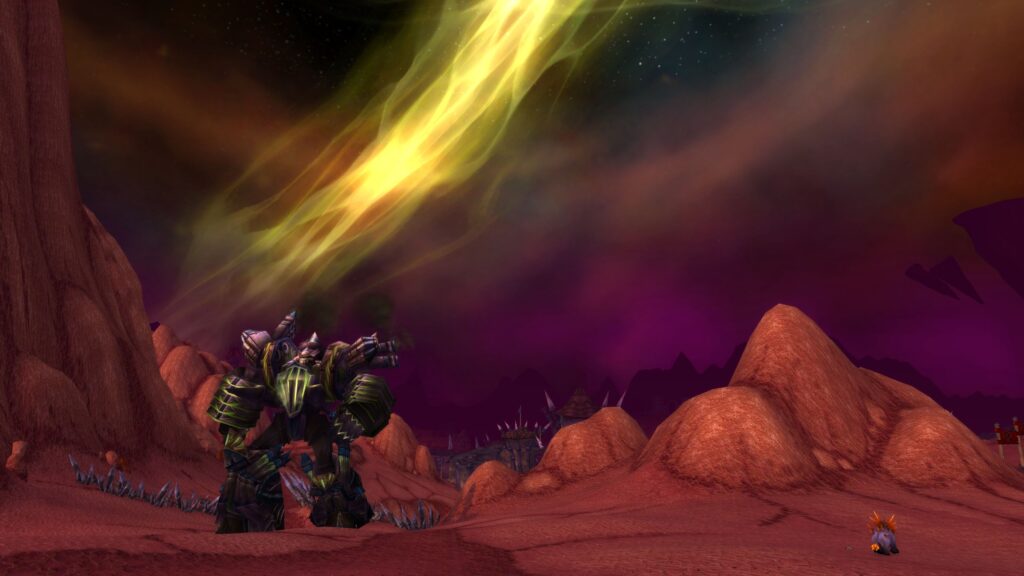
While these changes improved quest variety and storytelling, some players felt that the overhaul removed some of the adventure and exploration that defined the original game. The leveling speed was also noticeably faster, making it easier to reach max level but reducing the sense of journey along the way.
Warlords of Draenor and Legion: Streamlining and Scaling
With Warlords of Draenor, Blizzard introduced level-scaling technology, allowing zones to adjust to a player’s level. This system continued to evolve in Legion, where players could choose the order in which they tackled expansion content. This shift gave players more freedom while ensuring that they could experience the full story of each zone without outleveling it too quickly.
The introduction of World Quests in Legion also blurred the lines between leveling and endgame content, giving max-level players more reasons to revisit old zones while maintaining engagement beyond the traditional questing experience.
Shadowlands and Chromie Time: The New Era of Leveling
Shadowlands brought one of the most dramatic changes to leveling with the introduction of Chromie Time. Instead of progressing through every expansion in order, players could now choose a single expansion to level through, making the experience more cohesive and efficient.
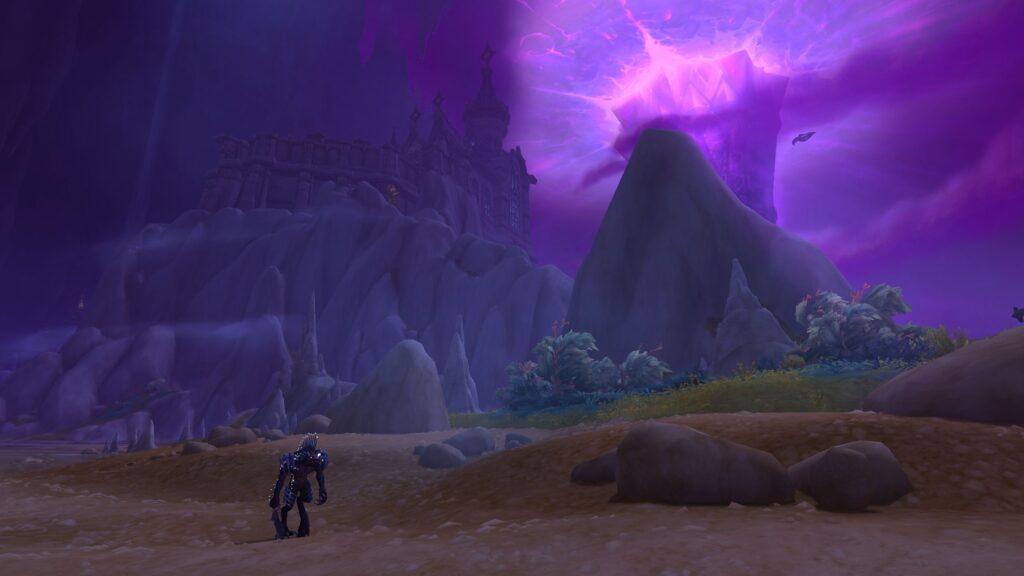
Additionally, Blizzard compressed the leveling system, reducing the max level to 60 and making each level feel more impactful. These changes drastically shortened the time required to reach endgame content while still allowing players to experience the lore and quests of their chosen expansion.
Dragonflight and the Future of Leveling
Dragonflight continued refining the leveling experience by making early-level combat feel more dynamic and ensuring smoother class progression. The introduction of new talent trees allowed players to make meaningful choices even at lower levels, keeping gameplay engaging from the start.
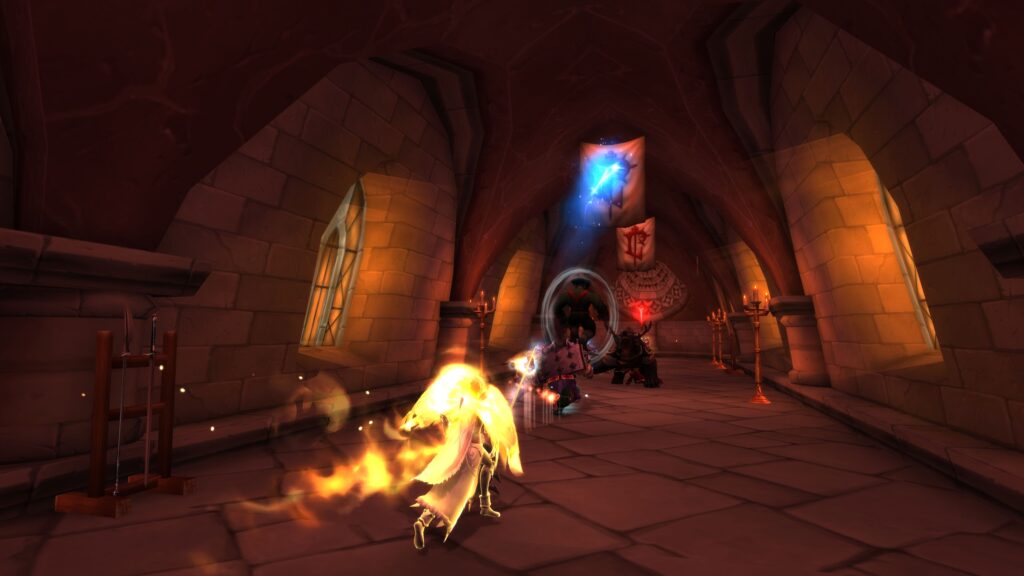
Looking ahead, Blizzard faces the challenge of maintaining a balance between accessibility and depth. While faster leveling allows players to reach endgame more quickly, many still long for the immersive and challenging journeys of older expansions. Future updates may focus on making leveling feel more rewarding without slowing down progression unnecessarily.
Conclusion: A Journey Through Time
The evolution of WoW’s leveling experience is a reflection of the game’s ongoing efforts to adapt to modern player expectations while preserving its sense of adventure. What was once a slow and deliberate grind has transformed into a more streamlined and flexible system that caters to different playstyles.
As WoW continues to evolve, its leveling experience will likely see further refinements, ensuring that new players can enter Azeroth with ease while veteran players still find joy in the journey. Whether through new mechanics, improved storytelling, or refined pacing, the future of leveling in WoW remains as dynamic as the world itself.
Home
Leave a Reply