

Introduction. One of Blizzard’s greatest achievements in World of Warcraft has been its ability to design endgame content that appeals to both hardcore raiders and casual adventurers. From sprawling Mythic+ dungeons to epic multi-boss raids, every piece of content must strike a delicate balance between challenge, reward, and accessibility. Keeping the experience engaging for elite players while remaining inviting for newcomers requires constant fine-tuning, community feedback, and design innovation.
This article explores how Blizzard maintains this balance, ensuring that both progression-focused and casual players find purpose and satisfaction in the ever-evolving endgame.
Tiered Difficulty: A Design Philosophy That Works
At the heart of WoW’s accessibility lies its tiered difficulty structure. Raids and dungeons are designed with multiple entry points—Normal, Heroic, and Mythic—each offering distinct challenges and rewards. This ensures that no player is left behind, while still providing aspirational goals for those seeking mastery.
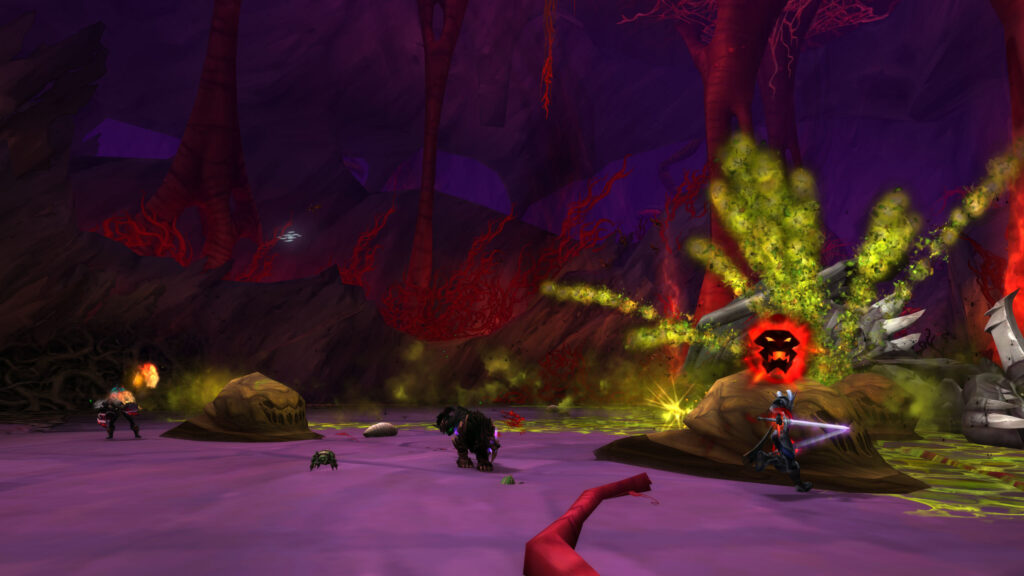
Players can experience the same storylines and bosses regardless of skill level, but the layers of mechanics and coordination scale upward, rewarding dedication and teamwork. It’s a system that keeps the community united through shared content, even as individuals progress at their own pace.
Mythic+ Dungeons: Scaling Challenge Through Precision
The Mythic+ system revolutionized dungeon design by introducing infinitely scaling difficulty. Each level adds new affixes that alter encounters, forcing players to adapt strategies and refine execution. Unlike traditional raids, Mythic+ rewards consistency, quick thinking, and communication. The format provides competitive depth for seasoned players while still remaining accessible through its lower keys.
Blizzard’s use of time-based scoring and seasonal rewards keeps this system fresh, motivating players to improve without requiring elite-level commitment. It bridges the gap between casual play and high-end competition, giving every player a pathway to progression.
Accessibility Through Reward Design
Balancing challenge isn’t just about mechanics—it’s about rewards. Blizzard ensures that effort always feels worthwhile by offering scalable loot systems. Players in lower difficulties can still earn meaningful gear upgrades, cosmetics, and progression resources. Meanwhile, higher-tier players receive exclusive achievements, mounts, and titles as recognition for their mastery.
This reward ladder sustains engagement across the entire player base. Casuals feel respected for their time investment, while competitive players remain driven by prestige and performance-based incentives.
Player Feedback and Iteration
WoW’s balance between challenge and accessibility has evolved through constant feedback. Blizzard’s developers actively monitor completion rates, raid analytics, and community sentiment to fine-tune encounters. When certain mechanics create frustration instead of satisfaction, adjustments are made through patches or tuning updates.
This open dialogue between players and developers has shaped some of the most iconic encounters—from simplifying over-tuned bosses to adding accessibility features like group finder tools and flexible raid sizes.
Encouraging Teamwork Without Exclusion
High-end content thrives on cooperation, but Blizzard’s challenge has always been ensuring that teamwork doesn’t become a barrier. Systems like cross-realm grouping, automated matchmaking, and the inclusion of community-driven tools like Premade Groups help bridge the gap between organized and casual play.
This inclusive structure keeps endgame content socially vibrant. It ensures that even players with limited schedules can experience the excitement of raids and Mythic+ without being locked out by rigid group requirements.
The Ever-Evolving Endgame
Each expansion refines the balance between accessibility and difficulty. Legion introduced time-based systems; Shadowlands experimented with covenant powers; Dragonflight emphasized player choice and skill expression. Through iteration, Blizzard continues to learn what motivates engagement: fair rewards, flexible progression, and encounters that test skill without overwhelming players.
This ongoing evolution keeps WoW’s endgame relevant, sustaining both its competitive spirit and its universal appeal.
Conclusion
Blizzard’s balancing act between challenge and accessibility is one of the key reasons WoW’s endgame remains unparalleled.
Through layered difficulty, thoughtful reward structures, and a constant feedback loop, the game continues to cater to every type of player. Whether you’re chasing Mythic achievements or running your first Heroic dungeon, the design philosophy ensures one thing: Azeroth always has room for your story, your pace, and your victory.
Leave a Reply